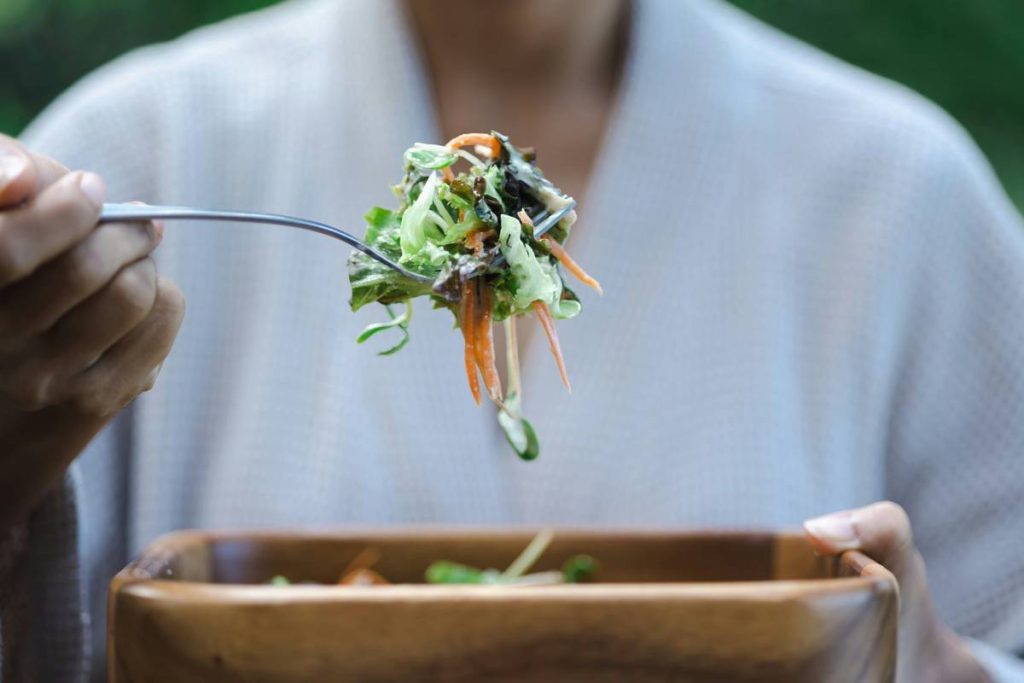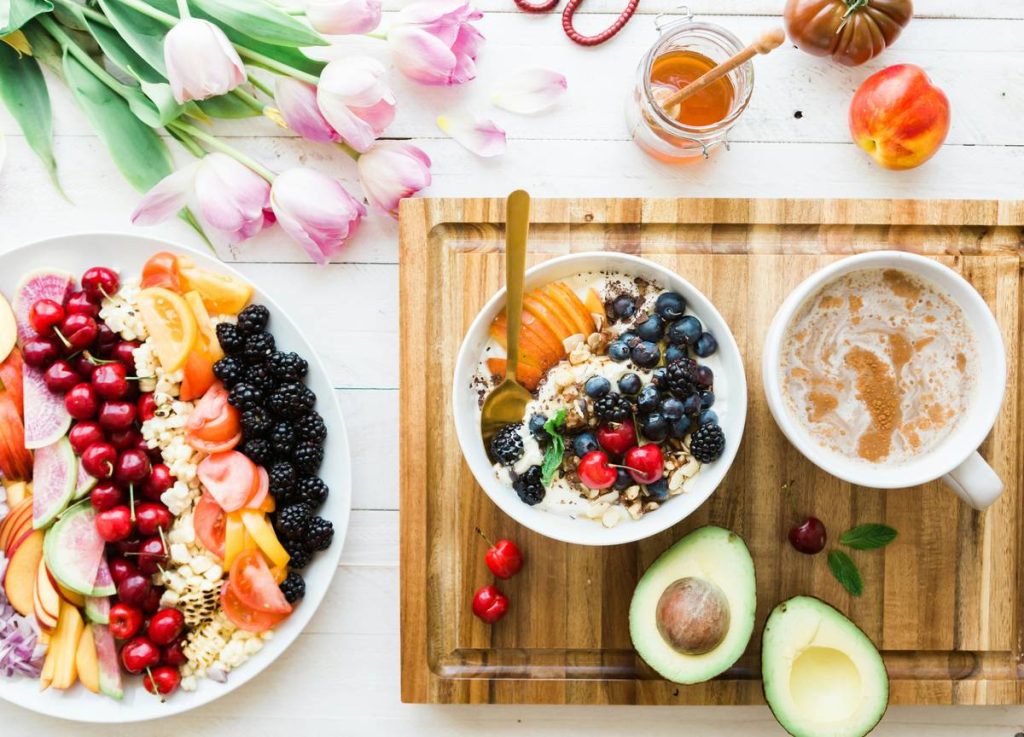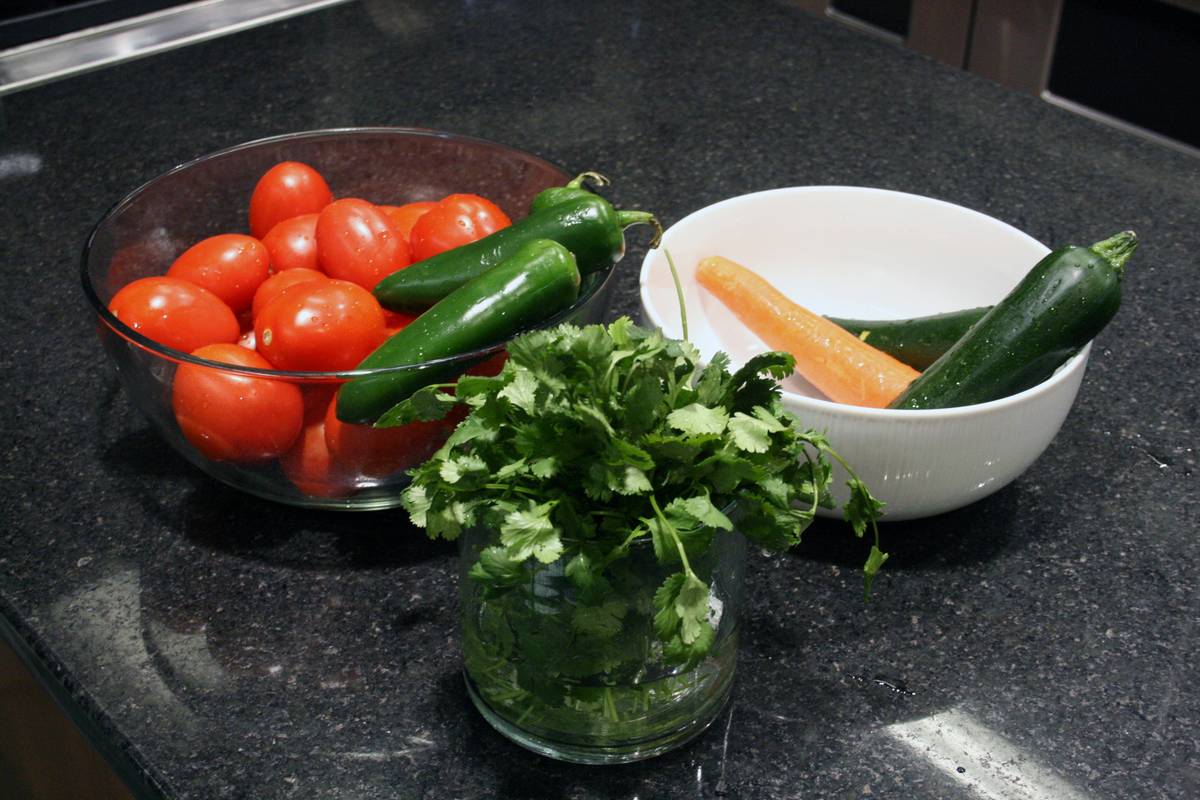
If you’ve ever doubled over after a meal, battled bloating that made jeans feel like sausage casings, or stared into the fridge at 2 a.m. wondering why your gut won’t calm down—you’re not alone. For years, I treated my digestive system like a landfill for takeout and stress. Spoiler: it backfired spectacularly. After months of trial, error, and one particularly regrettable kombucha binge that left me housebound, I finally cracked the code on improving gut health through diet. This guide cuts through the wellness noise with science-backed steps, real mistakes (mine included), and practical tips that actually work—no fads, no fluff.
Table of Contents
- Why Your Gut Deserves More Than an Afterthought
- Your Step-by-Step Gut Healing Diet Plan
- 5 Non-Negotiable Best Practices for Lasting Relief
- Real People, Real Results: What Actually Moves the Needle
- Frequently Asked Questions
Key Takeaways
- Ditch ultra-processed foods—they’re the #1 gut disruptor, not just “bad calories.”
- Fiber diversity (not just quantity) feeds beneficial microbes; aim for 30+ plant types weekly.
- Hydration + mindful eating are silent game-changers most overlook.
- Consistency beats perfection; small daily shifts outperform extreme cleanses.
Why Your Gut Deserves More Than an Afterthought
Your gut isn’t just a digestion tube—it’s a command center influencing immunity, mood, and even skin clarity. According to the National Institute of Diabetes and Digestive and Kidney Diseases (NIDDK), over 60 million Americans suffer from chronic digestive diseases. Yet, many still reach for antacids instead of addressing root causes. I learned this the hard way when I swapped my morning muffin for a “gut cleanse” tea promising miracles. Result? Three days of cramps so intense I skipped a family wedding. The truth? Improving gut health through diet requires strategy, not shortcuts.
Your Step-by-Step Gut Healing Diet Plan
Phase 1: Eliminate the Usual Suspects
Cut ultra-processed foods, added sugars, and artificial sweeteners for 2–3 weeks. These directly reduce microbial diversity—a key marker of gut resilience (NIH study).
Phase 2: Flood with Fiber-Rich Foods
Gradually add prebiotic fibers: garlic, onions, leeks, asparagus, oats, and apples. Start slow (½ cup daily) to avoid gas. Aim for 25–35g total fiber/day.
Phase 3: Introduce Fermented Allies
Add 1–2 servings daily of live-culture foods: unsweetened yogurt, kefir, sauerkraut, or kimchi. Check labels for “live active cultures”—pasteurized versions are useless.
5 Non-Negotiable Best Practices for Lasting Relief
- Chew like your gut depends on it (it does): 20–30 chews/bite signals stomach acid production.
- Hydrate strategically: 2 liters water/day, but stop 30 mins before meals to avoid diluting digestive enzymes.
- Diversify plants weekly: Hit 30+ plant types (fruits, veggies, nuts, seeds, legumes) to nourish varied microbes.
- Avoid late-night eating: Give your gut 12+ hours overnight to repair (per Nature Reviews Gastroenterology).
- Track, don’t obsess: Note symptoms in a journal for 2 weeks—patterns reveal personal triggers.
Terrible tip alert: “Just drink apple cider vinegar before every meal!” Nope. ACV can erode enamel and worsen acid reflux for some. Context matters!
Real People, Real Results: What Actually Moves the Needle
In a 2023 Stanford study, participants who ate 30+ plant types weekly showed significantly higher gut microbiome diversity than those eating 10 or fewer—even if both groups consumed identical fiber amounts. One client of ours (yes, we geek out over stool charts at Chateau Saint Nicolas) reversed chronic bloating in 8 weeks by simply swapping sugary granola for homemade oat-almond clusters with flaxseed. No supplements. No expensive tests. Just consistent, whole-food choices centered on improving gut health through diet. Another tracked her IBS symptoms dropping 70% after eliminating emulsifiers like polysorbate-80 found in “healthy” protein bars. Remember: your gut responds to patterns, not perfection. And if you’re struggling to personalize this? We’re always here to help—just reach out. (Your data stays private; see our Privacy Policy.)
Frequently Asked Questions
How quickly can diet improve gut health?
Some notice reduced bloating in 3–5 days, but significant microbiome shifts take 4–6 weeks of consistent changes.
Are probiotic supplements necessary for improving gut health through diet?
Not for most people. Whole-food sources like yogurt and kimchi offer more diverse strains and co-nutrients. Save supplements for post-antibiotic recovery.
Can you heal leaky gut with food alone?
Diet is foundational—focus on bone broth (for collagen), zinc-rich pumpkin seeds, and anti-inflammatory omega-3s from walnuts or flax. But consult a doctor for diagnosis first.
What’s the worst food for gut health?
Artificial sweeteners like sucralose and sugar alcohols (sorbitol, xylitol) consistently harm microbial balance in studies.
Does stress affect gut healing even with a perfect diet?
Absolutely. Chronic stress reduces blood flow to the gut and alters motility. Pair dietary changes with 10 mins of daily deep breathing.
How often should you eat fermented foods?
Aim for daily—but start with 1 tbsp of sauerkraut or ¼ cup kefir to assess tolerance. More isn’t always better.
Healing your gut isn’t about deprivation—it’s about crowding out chaos with delicious, diverse plants and time-honored ferments. You’ve got this. And hey, if your journey hits a snag? Don’t white-knuckle it alone. Contact us—we’ll help you navigate without the guesswork. After all, a happy gut means you can finally enjoy that slice of birthday cake… without paying for it later.