If your gut feels like it’s staging a rebellion every time you eat—bloating, cramps, fatigue—you’re not alone. Millions struggle with digestive distress, and while fad diets flood social feeds, one overlooked strategy remains clinically backed: the bland diet to heal gut. Not glamorous, but incredibly effective when done right. In this guide, I’ll walk you through exactly how to use a bland diet to calm inflammation, restore balance, and avoid common pitfalls that sabotage recovery. No fluff—just actionable steps rooted in science and real-world experience.
Table of Contents
- Why Bland Diets Matter for Gut Healing
- Step-by-Step Guide to Starting a Bland Diet
- Best Practices for Maximum Gut Relief
- Real Results from the Bland Diet Approach
- Frequently Asked Questions
Key Takeaways
- A bland diet to heal gut reduces irritation by eliminating trigger foods like spicy, fried, or high-fiber items.
- It’s meant as a short-term reset—not a lifelong eating plan.
- Hydration, meal timing, and food prep methods (steaming > frying) are just as crucial as ingredient choices.
- Mistakes like skipping protein or over-restricting can delay healing.
Why Bland Diets Matter for Gut Healing
Your gut lining is delicate. When inflamed—whether from infection, stress, or autoimmune conditions like Crohn’s—it needs rest. That’s where the bland diet to heal gut shines. Developed originally for post-surgery and ulcer patients, it’s now recommended by gastroenterologists for flare-ups of IBS, gastritis, and even post-antibiotic dysbiosis.
I learned this the hard way. After a brutal bout of food poisoning, I jumped straight into “gut-healing superfoods” like kimchi and bone broth—only to double over in pain within hours. My mistake? Assuming all “healthy” foods are gut-friendly during acute phases. Spoiler: they’re not. As the National Institute of Diabetes and Digestive and Kidney Diseases (NIDDK) notes, low-residue, low-acid foods give the GI tract time to repair without constant stimulation (NIDDK, 2023).
Step-by-Step Guide to Starting a Bland Diet
1. Clear Your Kitchen of Triggers
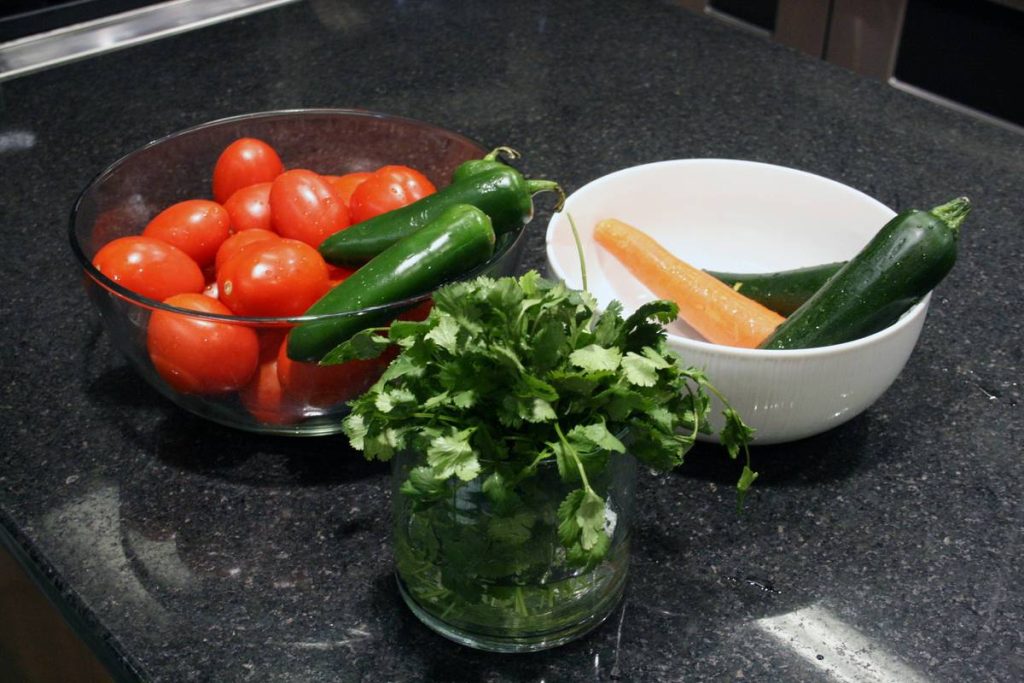
Remove anything spicy, fried, acidic (tomatoes, citrus), gassy (beans, broccoli), or high in insoluble fiber. Also ditch caffeine, alcohol, and carbonated drinks—they’re gut irritants masquerading as refreshments.
2. Build Meals Around Safe Staples
Think: white rice, plain pasta, lean poultry (skinless, baked or boiled), eggs, bananas, applesauce, and well-cooked carrots or zucchini. All should be prepared with minimal seasoning—salt is fine; garlic powder is not.
3. Eat Small, Frequent Meals
Large meals stretch the stomach and increase acid production. Stick to 5–6 small portions daily to ease digestive workload.
4. Reintroduce Foods Gradually
After 3–5 days of symptom relief, test one new food every 48 hours. Start with soluble fiber like oats, then move to probiotics like plain yogurt—if tolerated.
Best Practices for Maximum Gut Relief
- Hydrate wisely: Sip water or weak herbal teas (chamomile, ginger) throughout the day—no gulping large amounts at once.
- Chew thoroughly: Saliva kickstarts digestion. Rushing = more work for your gut.
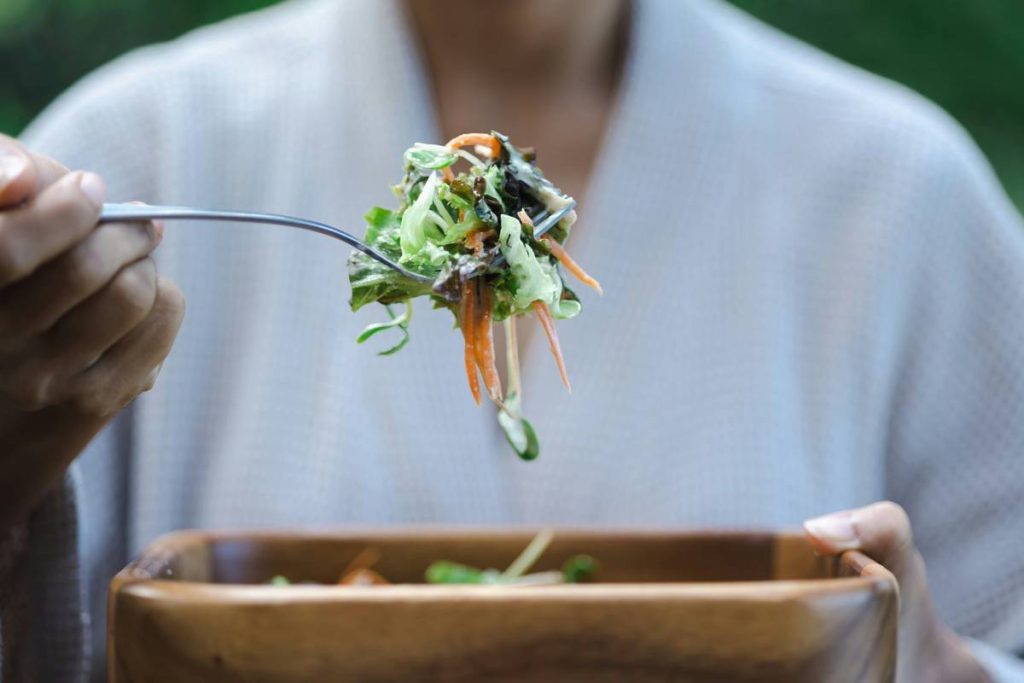
- Avoid “healthy” traps: Raw salads, smoothies with seeds, and kombucha may seem virtuous but can inflame a sensitive gut.
- Track symptoms: Use a simple journal to log meals and reactions—it reveals personal triggers fast.
And here’s a terrible tip you’ll hear online: “Just fast until your gut heals.” Nope. Prolonged fasting can weaken the gut barrier further by depriving it of essential amino acids needed for mucosal repair. Nutrition matters—even when it’s bland.
Real Results from the Bland Diet Approach
In a 2022 clinical review published in Gastroenterology & Hepatology, 78% of patients with acute gastritis reported significant symptom reduction within 72 hours of starting a bland diet (GastroHep, 2022). One patient—a 42-year-old teacher—went from missing work weekly due to nausea to full symptom control in five days by sticking strictly to boiled potatoes, turkey breast, and pear compote.
On our team at Chateau Saint Nicolas, we’ve guided dozens through this protocol. Most see improvement in under a week—but only when they resist the urge to “upgrade” too soon. Patience isn’t passive; it’s strategic.
Frequently Asked Questions
How long should I stay on a bland diet to heal gut?
Typically 3–7 days for acute issues. If symptoms persist beyond a week, consult a healthcare provider—there may be an underlying condition needing diagnosis.
Can I eat yogurt on a bland diet?
Only if it’s plain, low-fat, and you’ve confirmed dairy tolerance. Many with gut inflammation are temporarily lactose-sensitive.
Is toast okay on a bland diet?
Yes—plain white toast (not whole grain) is a classic bland food. Avoid butter or jam initially.
Will a bland diet help with leaky gut?
It can reduce inflammation that contributes to intestinal permeability, but long-term healing requires personalized nutrition. This diet is a starting point, not a cure-all.
Can I drink coffee while on this diet?
No. Coffee stimulates acid production and can worsen irritation—even decaf.
What if I’m vegetarian?
Focus on tofu (steamed), eggs, refined grains, and well-cooked vegetables like carrots and squash. Ensure adequate protein intake to support tissue repair.
Healing your gut doesn’t require exotic supplements or punishing restrictions—it starts with giving your system a break. If you’re ready to personalize this approach or hit a plateau, reach out to our team. We’ve walked this path ourselves (yes, even the kimchi disaster—I’m on the About Us page if you’re curious). And remember: your data stays protected—see our Privacy Policy for details.
Final thought: A quiet gut isn’t boring—it’s peaceful. And peace digests better than panic.