
If you’ve ever doubled over after a “healthy” smoothie or felt bloated after a salad, you’re not alone—and you’re definitely not broken. Over 70 million Americans suffer from digestive issues, many unknowingly sabotaging their gut health with well-meaning but misguided diets. As someone who once eliminated entire food groups only to spiral into worse fatigue and discomfort, I learned the hard way that gut healing isn’t about restriction—it’s about restoration. This guide breaks down a sustainable gut healing for beginners diet that actually works, backed by science and seasoned with real-life lessons (including my own kitchen disasters).
Table of Contents
- Why Gut Healing Matters in Modern Wellness
- Your 7-Step Gut Healing for Beginners Diet Plan
- 5 Best Practices to Maximize Gut Recovery
- Real Results: What Happens When You Stick With It
- Frequently Asked Questions
Key Takeaways
- A true gut healing for beginners diet prioritizes diversity, fiber, and fermented foods—not just elimination.
- Healing takes 4–12 weeks; consistency beats perfection.
- Hydration, sleep, and stress management are non-negotiable pillars.
- Avoid the “cleanse trap”—extreme detoxes often worsen gut imbalance.
- Always consult a healthcare provider before major dietary changes—see our About Us page to learn about our evidence-based approach.
Why Gut Healing Matters in Modern Wellness
Today’s processed-food landscape and chronic stress have turned the gut into ground zero for inflammation, autoimmune triggers, and even mood disorders. The gut microbiome—a complex ecosystem of trillions of bacteria—regulates everything from nutrient absorption to immune response. Damage it with sugar, antibiotics, or chronic stress, and symptoms like bloating, constipation, brain fog, and fatigue follow.
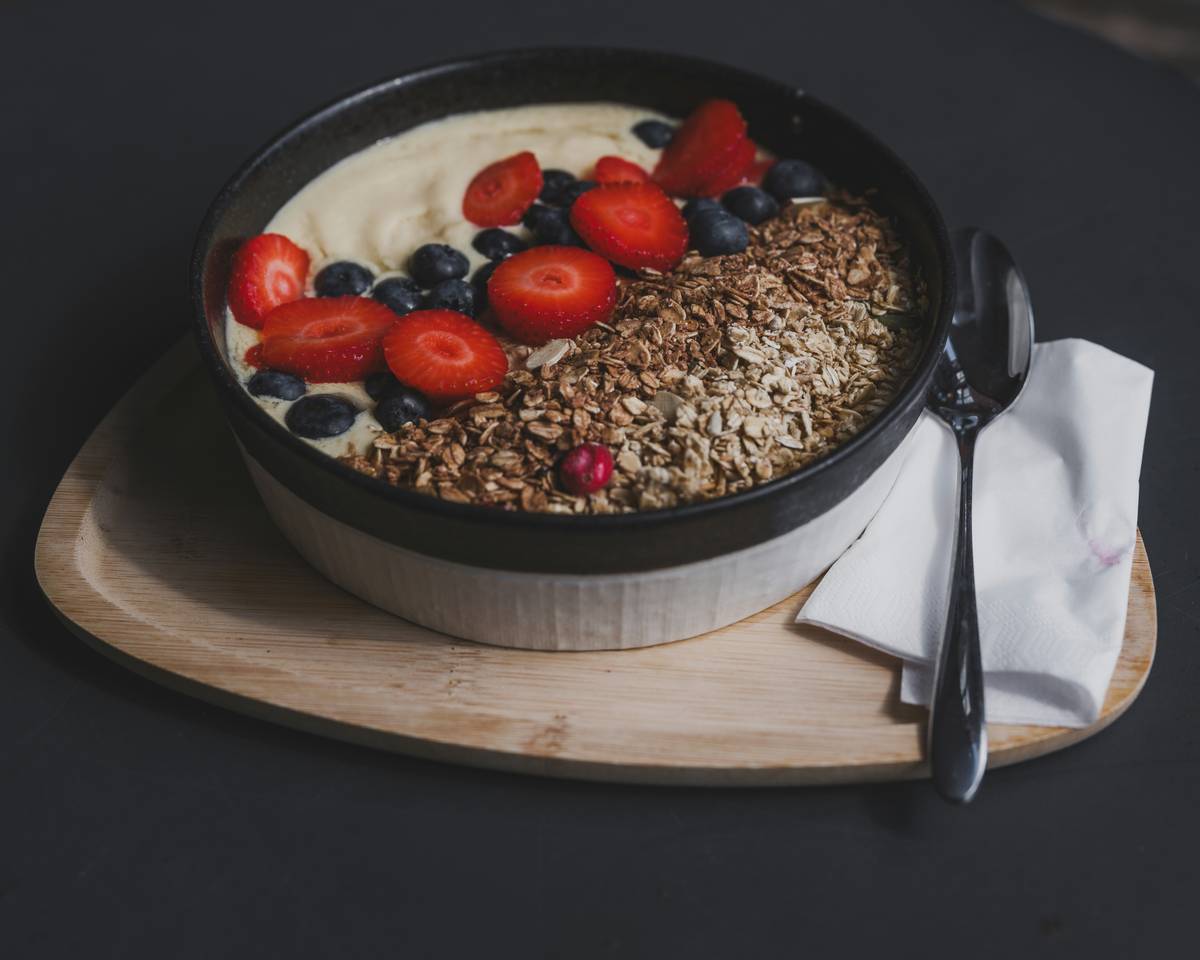
I remember trying a trendy “gut cleanse” that banned all carbs for two weeks. By day five, I was shaky, irritable, and constipated—the opposite of healing. Turns out, starving your good bacteria is a surefire way to backfire. According to the National Institute of Diabetes and Digestive and Kidney Diseases (NIDDK), dietary fiber from diverse plant sources is essential for maintaining microbial balance—something restrictive plans often miss.
Your 7-Step Gut Healing for Beginners Diet Plan
This isn’t another fad. It’s a science-backed roadmap designed for long-term resilience.
1. Start with an Elimination Baseline (Not a Forever Ban)
Remove common irritants—gluten, dairy, soy, eggs, and added sugar—for 2–3 weeks. But treat this as diagnostic, not permanent. Reintroduce one at a time to identify triggers.
2. Prioritize Bone Broth & Collagen
Rich in glycine and glutamine, bone broth supports gut lining repair. Aim for 1 cup daily. Make your own or choose low-sodium store brands without additives.
3. Eat 30+ Plant Types Weekly
Research from the American Gut Project shows that people consuming 30+ different plants per week have significantly more diverse microbiomes than those eating 10 or fewer. Rotate veggies, fruits, legumes, nuts, seeds, and herbs.
4. Ferment Daily
Add 1–2 servings of live-culture foods: unsweetened yogurt, kefir, kimchi, or sauerkraut. These deliver probiotics proven to reduce intestinal permeability (“leaky gut”).
5. Hydrate Smartly
Water is essential—but avoid chugging during meals, which dilutes stomach acid. Sip between meals instead, aiming for half your body weight (lbs) in ounces daily.
6. Don’t Skip Healthy Fats
Omega-3s from flaxseeds, walnuts, and fatty fish reduce gut inflammation. Monounsaturated fats (avocado, olive oil) feed beneficial bacteria.
7. Sleep & De-Stress Relentlessly
Poor sleep disrupts the gut-brain axis. Even the perfect gut healing for beginners diet fails if cortisol runs high nightly. Aim for 7–8 hours and try 10 minutes of breathwork daily.
5 Best Practices to Maximize Gut Recovery
- Cook most meals at home—restaurant sauces often hide sugar and inflammatory oils.
- Chew thoroughly—digestion starts in the mouth; under-chewing stresses the gut.
- Avoid “healthy” traps like agave syrup, protein bars with sugar alcohols, and excessive raw kale (too much oxalate can irritate sensitive guts).
- Track symptoms, not just food—note energy, sleep, and mood alongside meals.
- Never ignore red flags—unintended weight loss, blood in stool, or severe pain require immediate medical attention. Review our Privacy Policy if sharing health data digitally.
Real Results: What Happens When You Stick With It
In a 2021 study published in Gut journal, participants following a diverse, high-fiber, fermented-food-rich diet for 10 weeks saw significant increases in microbiome diversity and reductions in inflammatory markers. One participant—a 38-year-old teacher—reported resolving lifelong bloating and afternoon crashes within six weeks. Her secret? She swapped her morning muffin for oatmeal with berries and kefir, and added roasted veggies with every dinner. Consistency, not perfection, drove her success. That’s the promise of a thoughtful gut healing for beginners diet.
Frequently Asked Questions
How long does a gut healing for beginners diet take to work?
Most notice symptom improvements in 2–4 weeks, but full mucosal healing can take 3–6 months. Patience is part of the protocol.
Can I drink coffee on a gut healing diet?
In moderation—yes. But avoid on an empty stomach, and never with added sugar or artificial creamers, which feed harmful bacteria.
Are probiotic supplements necessary?
Not always. Food-first approaches (like yogurt or kimchi) are often better absorbed. Consult a professional if considering supplements—quality varies wildly.
What’s the worst mistake beginners make?
Going too extreme too fast. Cutting out 10 food groups simultaneously creates nutritional gaps and psychological stress—both harm gut health. Start simple.
Is the gut healing for beginners diet gluten-free?
Initially, yes—during the elimination phase. But many reintroduce gluten later if no sensitivity is confirmed. Don’t assume lifelong avoidance is needed.
Where can I get personalized help?
We offer tailored guidance based on your history and goals. Contact us to start your journey with support that honors your unique biology.
Healing your gut isn’t about finding a magic bullet—it’s about returning to rhythms that honor your body’s intelligence. And if all else fails, remember my mantra after that disastrous carb-free week: “Feed your microbes like you love them… because they’re keeping you alive.”