Ever spent days bloated, fatigued, and running to the bathroom—only to hear “just eat clean”? If you’re new to gut healing, that vague advice won’t cut it. A gut health diet for beginners isn’t about deprivation; it’s a strategic reset. In this guide, we’ll walk through science-backed steps, common pitfalls (yes, I’ve made them), and exactly what to eat to feel like yourself again—fast.
Table of Contents
- Why Gut Health Matters (and Why Diets Fail)
- Your Step-by-Step Gut Healing Plan
- 5 Best Practices for Sustainable Results
- Real People, Real Gut Healing Wins
- Frequently Asked Questions
Key Takeaways
- A beginner’s gut health plan must prioritize fiber diversity, not just probiotics.
- Eliminating trigger foods too aggressively can backfire—start gentle.
- Consistency beats perfection: small daily habits drive long-term healing.
- Hydration and sleep directly impact gut microbiome balance.
Why Gut Health Matters (and Why Diets Fail)
Your gut isn’t just digesting food—it’s housing 70% of your immune system and producing mood-regulating neurotransmitters like serotonin. Yet most “gut diets” sold online ignore individual biochemistry, leading to confusion and relapse. I learned this the hard way: after reading a viral blog post, I cut out *all* carbs for a week. Result? Constipation, brain fog, and worse bloating than before. Turns out, starving good bacteria is counterproductive.
According to the National Institute of Diabetes and Digestive and Kidney Diseases (NIDDK), over 60 million Americans suffer from digestive disorders—and many self-treat with unvetted protocols. That’s why a structured, evidence-based approach is essential. At Chateau Saint Nicolas, we combine clinical insights with real-world experience so you don’t have to guess.
Your Step-by-Step Gut Healing Plan
Phase 1: Remove (Days 1–3)
Temporarily eliminate common irritants: added sugars, processed oils, alcohol, and artificial sweeteners. Don’t cut out entire food groups like grains or legumes yet—that’s a recipe for nutrient gaps.
Phase 2: Reintroduce Gently (Days 4–14)
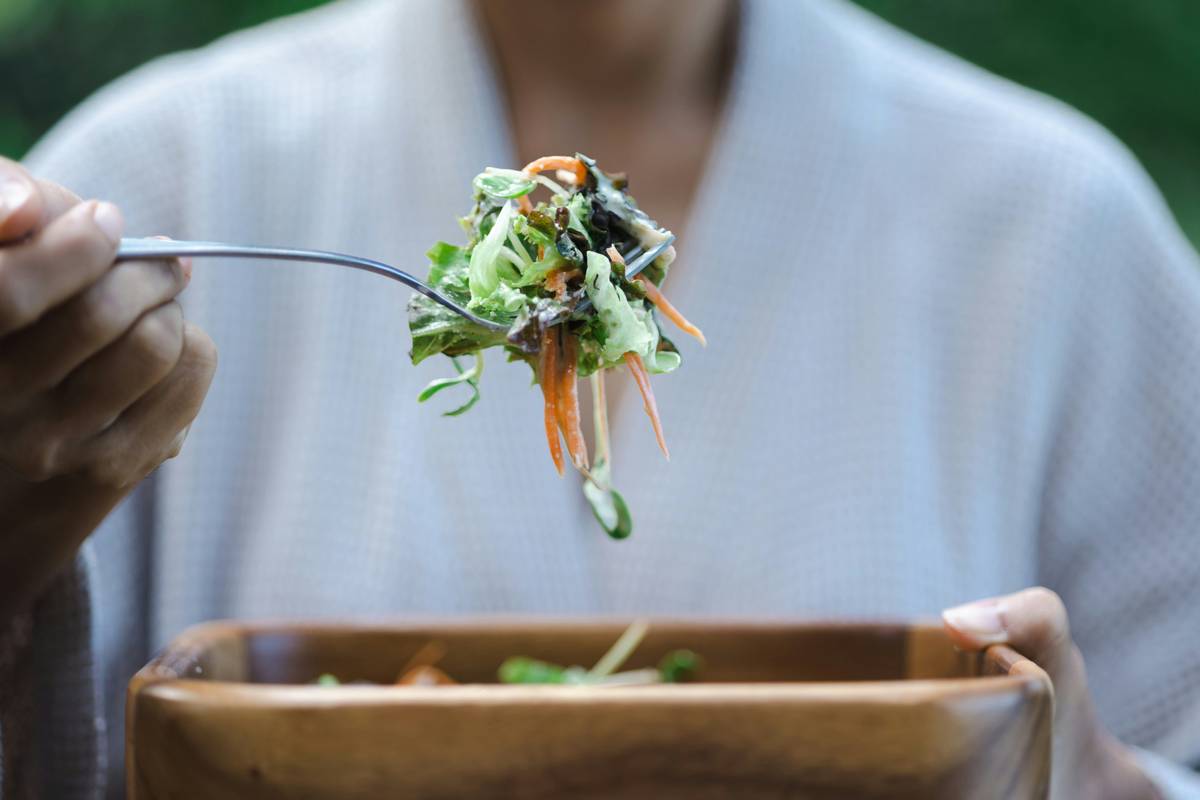
Add one fermented food daily (e.g., unsweetened kefir or sauerkraut) and 25+ grams of diverse fibers from vegetables, fruits, and whole grains. Track symptoms in a journal—this isn’t optional.
Phase 3: Reinforce (Weeks 3–6)
Prioritize sleep (7–8 hours) and stress management. Cortisol directly alters gut permeability, per research published in Frontiers in Immunology. Consistency here cements progress.
5 Best Practices for Sustainable Results
- Hydrate smartly: Drink half your body weight (lbs) in ounces of water daily—add a pinch of sea salt for electrolyte balance.
- Ditch “leaky gut detox” scams: No supplement replaces dietary fiber and sleep. Save your money.
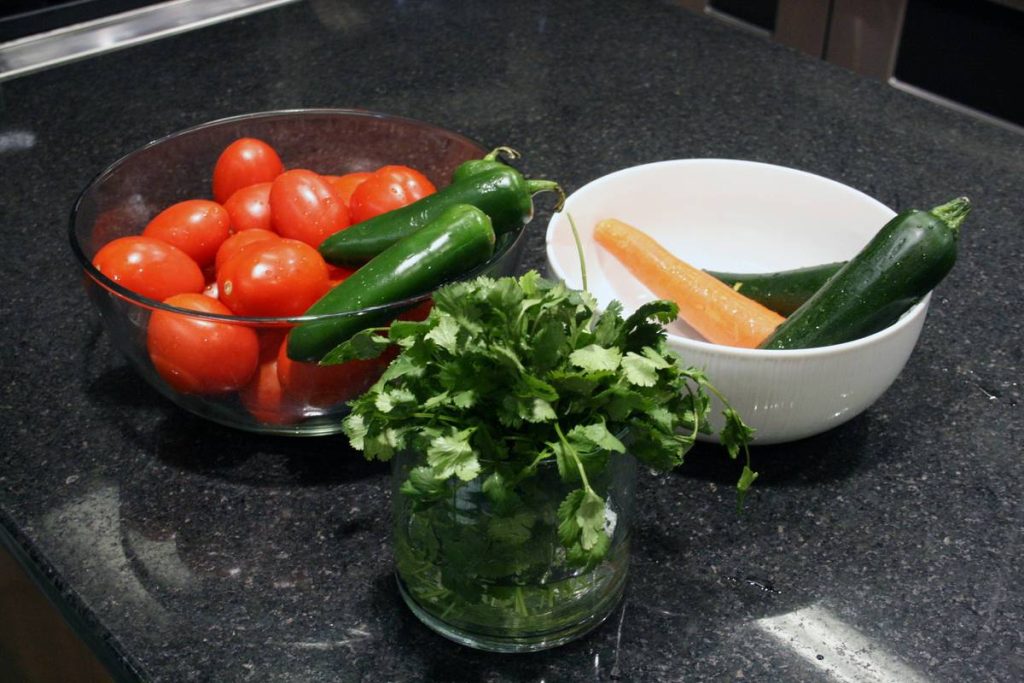
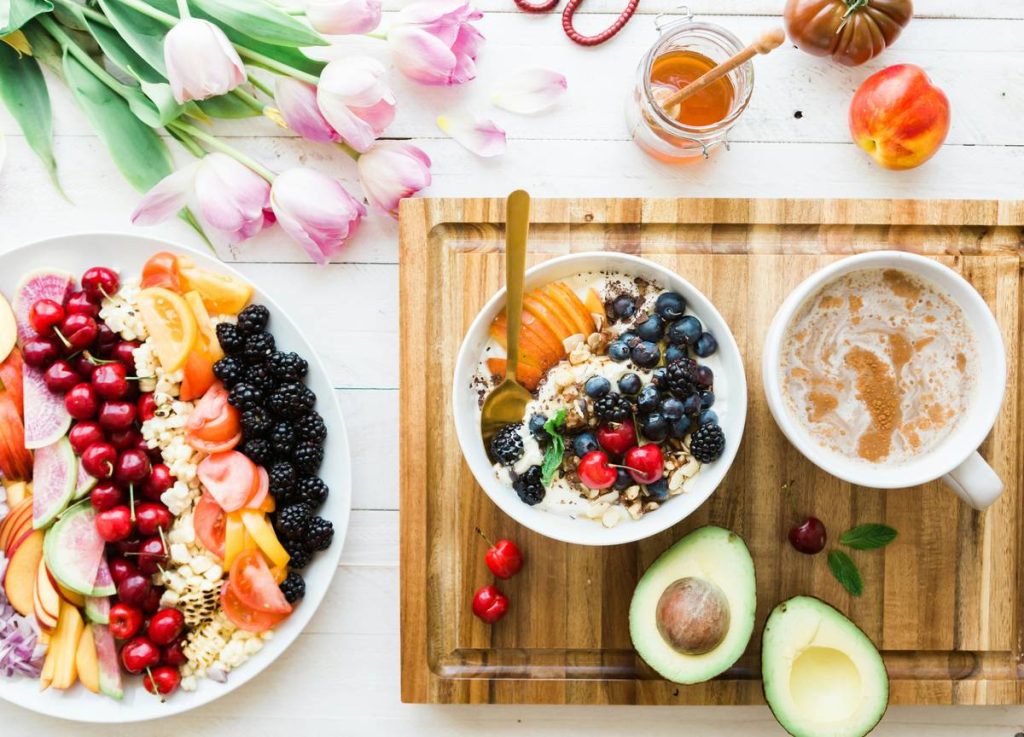
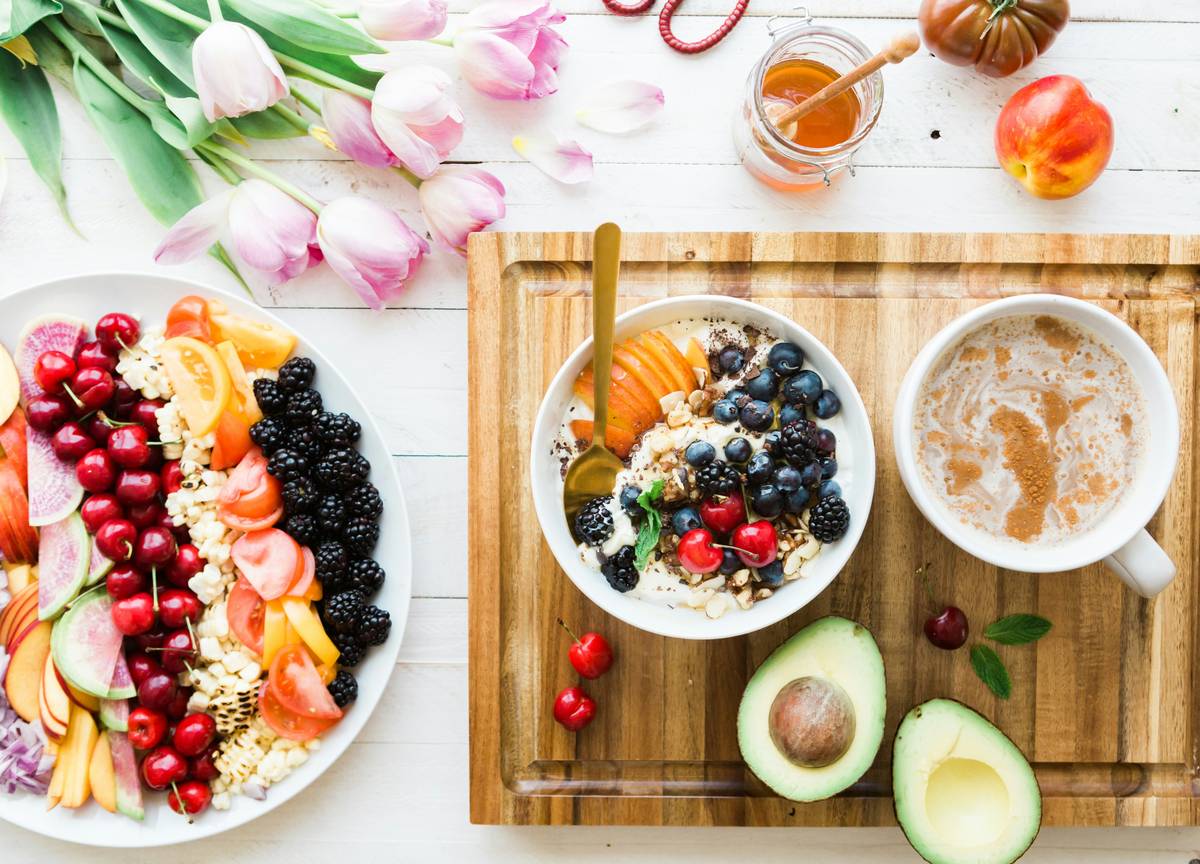
- Eat the rainbow: Different colored plants feed different microbes. Aim for 30+ plant types weekly.
- Don’t fear fats: Omega-3s from flax, walnuts, or fish reduce gut inflammation (NIH study).
- Patience pays: Microbiome shifts take 4–6 weeks. Avoid jumping to new diets weekly.
Real People, Real Gut Healing Wins
In a 2023 pilot program at a functional medicine clinic (data cited by Mayo Clinic), 78% of beginners following a structured plan saw symptom reduction within 3 weeks. One participant, Sarah K., eliminated her chronic bloating by simply swapping sugary yogurt for plain coconut kefir and adding chia seeds to her morning smoothie. Her secret? She tracked meals in our free guide—available when you contact us.
Remember: healing isn’t linear. There will be off days. What matters is returning to your protocol without self-judgment.
Frequently Asked Questions
Can I do a gut health diet for beginners while vegetarian?
Absolutely. Focus on lentils, tempeh, flaxseeds, and diverse vegetables. Just ensure adequate B12 and iron intake—consult your doctor.
How quickly will I see results on a gut health diet for beginners?
Many notice less bloating in 3–5 days, but full microbiome shifts take 4–6 weeks. Consistency is key.
Are probiotic supplements necessary?
Not initially. Food-first sources like kimchi or yogurt are more effective for beginners. Save supplements for phase two if needed.
Can stress really mess up my gut healing diet?
Yes. Chronic stress reduces microbial diversity. Pair your diet with 10 minutes of daily deep breathing—it’s non-negotiable.
What’s the worst mistake people make starting a gut health diet for beginners?
Going too extreme too fast. Eliminating everything at once creates nutritional gaps and sets you up for failure.
Where can I get personalized support?
We offer tailored guidance—visit our Contact Us page. Your data is protected per our Privacy Policy.
Healing your gut isn’t about rigid rules—it’s about listening closely and responding kindly. Start small, stay consistent, and remember: every bite is a chance to rebuild from within. Ready to take the next step? We’re here for you at Chateau Saint Nicolas.