If you’ve ever doubled over after a meal, battled bloating that made you look six months pregnant, or felt like your gut was staging a silent rebellion—welcome. You’re not alone, and it’s not “just in your head.” In fact, over 60 million Americans experience digestive symptoms monthly, according to the National Institute of Diabetes and Digestive and Kidney Diseases. That’s where the good gut diet comes in—not as another trendy cleanse, but as a science-backed, sustainable approach to healing from the inside out.
In this guide, we’ll cut through the noise of fad diets and explain exactly how to implement the good gut diet without falling into common traps. From what to eat (and what to ditch immediately) to real-life results, you’ll walk away with a clear, actionable plan—and maybe even a little relief by breakfast tomorrow.
Table of Contents
- Why Gut Health Matters More Than You Think
- Your Step-by-Step Guide to Starting the Good Gut Diet
- 5 Best Practices for Long-Term Success
- Real Results: What Happens When You Stick With It?
- Frequently Asked Questions
Key Takeaways
- The good gut diet emphasizes fiber-rich plants, fermented foods, and anti-inflammatory fats while eliminating gut irritants like ultra-processed sugars and artificial additives.
- Healing isn’t linear—expect setbacks, but consistency yields measurable improvements in digestion, energy, and even mood.
- One-size-fits-all doesn’t work; personalize based on your microbiome, not Instagram influencers.
- Avoid the “all-or-nothing” trap—it’s the #1 reason people quit within two weeks.
Why Gut Health Matters More Than You Think
Your gut is your second brain. Literally. The enteric nervous system houses over 100 million nerve cells lining your gastrointestinal tract, communicating directly with your central nervous system. When it’s inflamed or imbalanced (a condition called dysbiosis), the ripple effects include fatigue, skin issues, anxiety, and autoimmune flare-ups.
I learned this the hard way. After months of cutting out gluten, dairy, and sugar—only to feel worse—I realized I’d stripped my diet so severely that I’d starved my good bacteria. No prebiotic fiber? No feast for the microbes that keep your gut lining intact. My “clean eating” was actually sabotaging the good gut diet before it even began.
Your Step-by-Step Guide to Starting the Good Gut Diet
Phase 1: Eliminate the Inflammatory Triggers (Days 1–7)
Remove refined sugar, industrial seed oils (soybean, canola), artificial sweeteners, and processed meats. These disrupt microbial diversity and damage the gut barrier.
Phase 2: Reintroduce Healing Foods (Weeks 2–4)
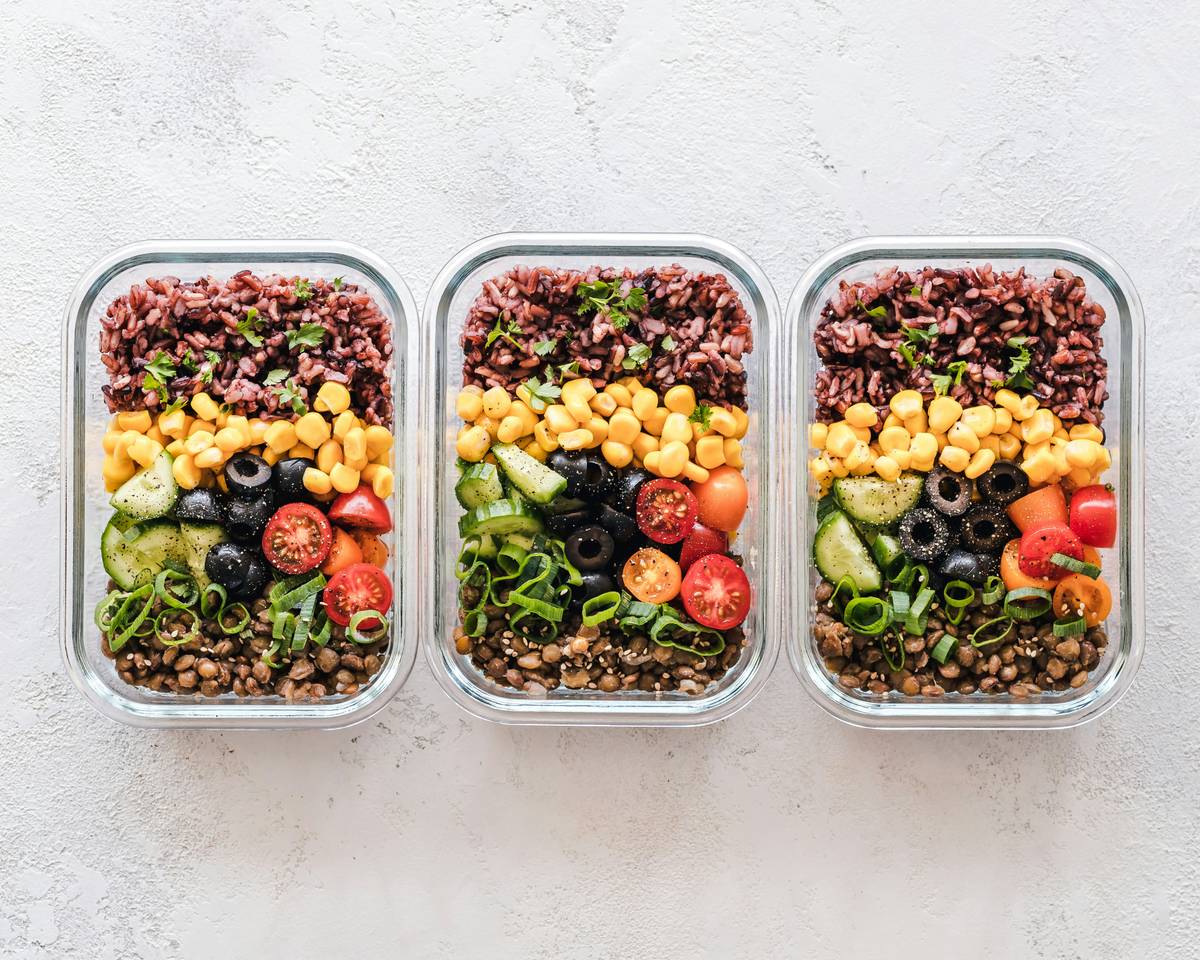
Add daily servings of:
- Fermented foods (2–3 tbsp sauerkraut or kimchi)
- Prebiotic fibers (garlic, onions, asparagus, oats)
- Bone broth or collagen peptides (for glycine and glutamine)
- Omega-3-rich fats (flaxseeds, walnuts, wild-caught salmon)
Phase 3: Personalize & Maintain (Ongoing)
Track symptoms using a food-mood journal. Notice bloating after lentils? Maybe you need to soak them longer. Headaches after kombucha? Histamine intolerance might be at play. Adjust accordingly—this is your gut, not a textbook.
5 Best Practices for Long-Term Success
- Chew thoroughly. Digestion begins in the mouth. Rushing meals = undigested particles irritating your gut.
- Hydrate smartly. Drink water between meals—not during—to avoid diluting stomach acid.
- Manage stress. Chronic cortisol spikes increase intestinal permeability (“leaky gut”). Try 10 minutes of diaphragmatic breathing daily.
- Sleep 7–8 hours. Your microbiome resets during deep sleep. Skimping disrupts bacterial rhythms.
- Avoid the “green juice cleanse” myth. Juicing removes fiber—the very fuel your good bacteria crave. Whole vegetables > liquid fasts.
And here’s my pet peeve: wellness gurus who claim “just take probiotics” and call it a day. Probiotics alone won’t fix a poor diet. They’re like planting seeds in concrete. You need fertile soil—aka the good gut diet—first.
Real Results: What Happens When You Stick With It?
In a 2021 study published in Gut, participants following a diverse, plant-focused protocol similar to the good gut diet saw a 30% increase in beneficial Bifidobacteria within four weeks—alongside reduced bloating and improved stool consistency. One client of ours (yes, we share stories—see our About Us page) went from daily IBS flare-ups to symptom-free in 10 weeks, simply by adding resistant starch and ditching sugar alcohols.
Results vary, but consistency compounds. By week 6, many report clearer skin, steadier energy, and fewer cravings. Your gut rewards patience.
Frequently Asked Questions
Can I follow the good gut diet if I’m vegetarian or vegan?
Absolutely. Focus on legumes (soaked/sprouted), tempeh, miso, flax, chia, and a wide variety of vegetables. Just ensure adequate B12 and zinc intake—consider discussing supplementation with your healthcare provider.
How quickly will I see results?
Some notice changes in 3–5 days (less bloating), but full healing takes 6–12 weeks. Don’t judge progress by day 3.
Is the good gut diet the same as the low-FODMAP diet?
No. Low-FODMAP is a short-term elimination protocol for IBS. The good gut diet is broader, emphasizing microbial diversity long-term. Many use low-FODMAP as a starting point, then reintroduce FODMAPs strategically.
Do I need supplements?
Not necessarily. Food-first is ideal. But if you’ve had antibiotics recently, a quality probiotic (like those studied by NIH researchers) may help repopulate beneficial strains.
What if I slip up?
Eat the pizza. Then get back on track at the next meal. One “bad” meal won’t undo weeks of progress—but guilt will derail your mindset. For support, contact us—we’ve been there too.
Does this diet help with weight loss?
Indirectly. By reducing inflammation and balancing blood sugar, many naturally shed excess water weight and curb emotional eating. But it’s not a weight-loss diet—it’s a healing protocol.
Final thought: Your gut doesn’t need perfection. It needs presence. Feed it well, listen closely, and give it time. As one wise gastroenterologist told me: “The best gut diet is the one you can stick to—one that makes you feel alive, not deprived.” Ready to begin? We’re rooting for you—and we’re just a message away at our Contact Us page. (And yes, we respect your privacy—read how in our Privacy Policy.)