If your gut feels like a warzone after every meal—bloating, cramps, fatigue—you’re not alone. Millions struggle with chronic low-grade gut inflammation, often fueled by everyday food choices that seem harmless. The good news? You don’t need a pharmacy shelf to heal. A strategic, science-backed how to reduce gut inflammation diet can restore balance, calm your digestive system, and even boost immunity. In this guide, you’ll discover exactly which foods sabotage healing, how to build an anti-inflammatory plate, and the one mistake I made that set my recovery back months.
Table of Contents
- Why Gut Inflammation Matters (And Why It Won’t Heal on Its Own)
- Step-by-Step Guide to a Gut Healing Diet
- Best Practices for Long-Term Gut Health
- Real-World Results: Case Studies That Worked
- Frequently Asked Questions
Key Takeaways
- Avoid ultra-processed foods, added sugars, and industrial seed oils—they’re silent drivers of gut inflammation.
- Prioritize fiber-rich plants, fermented foods, and omega-3s to nourish beneficial gut bacteria.
- Food sensitivity testing (like elimination diets) is more reliable than trendy intolerance panels.
- Consistency beats perfection: small daily choices compound into lasting gut healing.
Why Gut Inflammation Matters (And Why It Won’t Heal on Its Own)
Chronic gut inflammation isn’t just about occasional bloating—it’s linked to autoimmune conditions, mental health disorders, and metabolic diseases. According to the National Institute of Diabetes and Digestive and Kidney Diseases (NIDDK), persistent intestinal permeability (“leaky gut”) allows undigested food particles and toxins to enter the bloodstream, triggering systemic inflammation.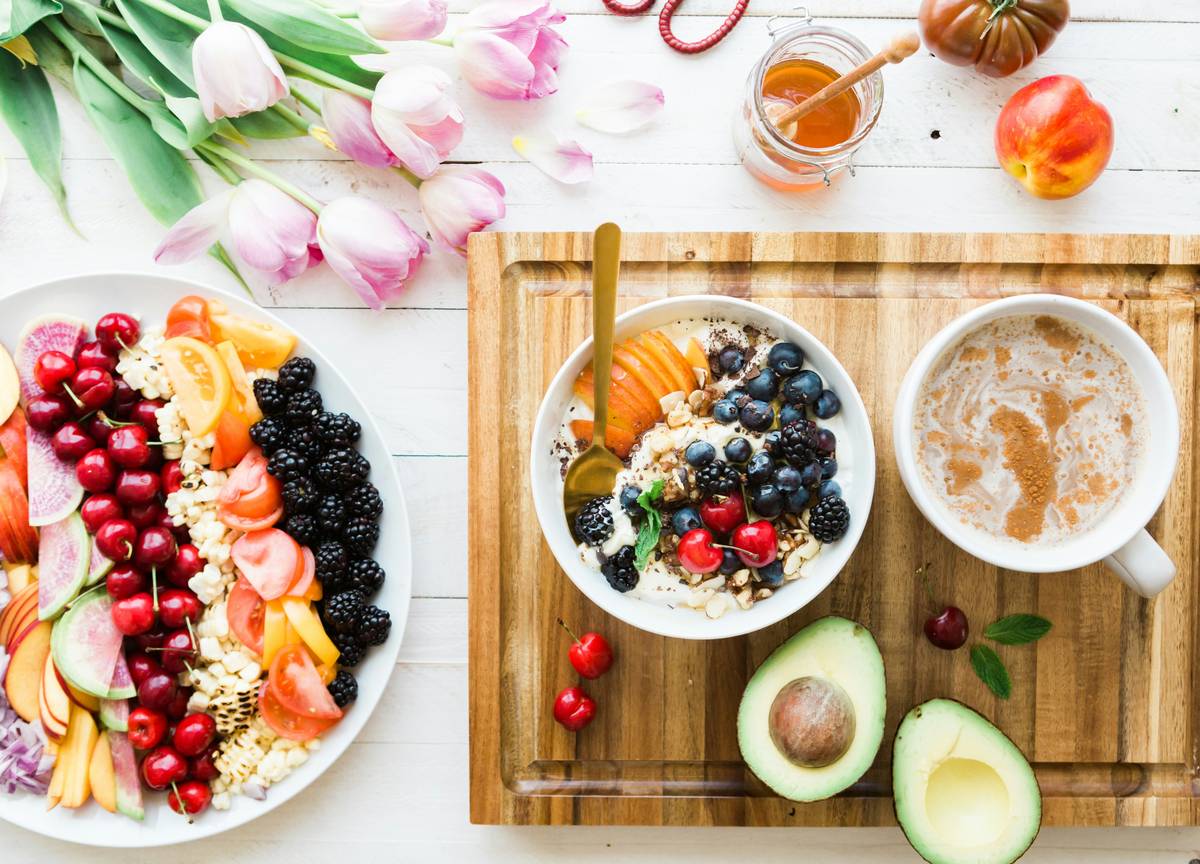
I learned this the hard way. After being diagnosed with IBS, I doubled down on “healthy” smoothies packed with store-bought almond milk, agave, and frozen fruit. Within weeks, my symptoms worsened. Turns out, many commercial plant milks contain carrageenan—a common emulsifier shown in Frontiers in Pediatrics to disrupt gut barrier function. My well-intentioned breakfast was sabotaging my entire how to reduce gut inflammation diet plan.
Step-by-Step Guide to a Gut Healing Diet
Phase 1: Eliminate Inflammatory Triggers
Cut out the usual suspects for 4–6 weeks: refined sugar, gluten (for sensitive individuals), dairy (especially A1 casein), fried foods, and artificial sweeteners. Replace them with whole, single-ingredient foods.
Phase 2: Reintroduce Strategically
After the elimination phase, add back one food group every 3–4 days while tracking symptoms. Keep a journal—it’s the gold standard for identifying personal triggers, far more accurate than at-home IgG tests (which the American Academy of Allergy, Asthma & Immunology warns lack clinical validity).
Phase 3: Build Your Anti-Inflammatory Plate
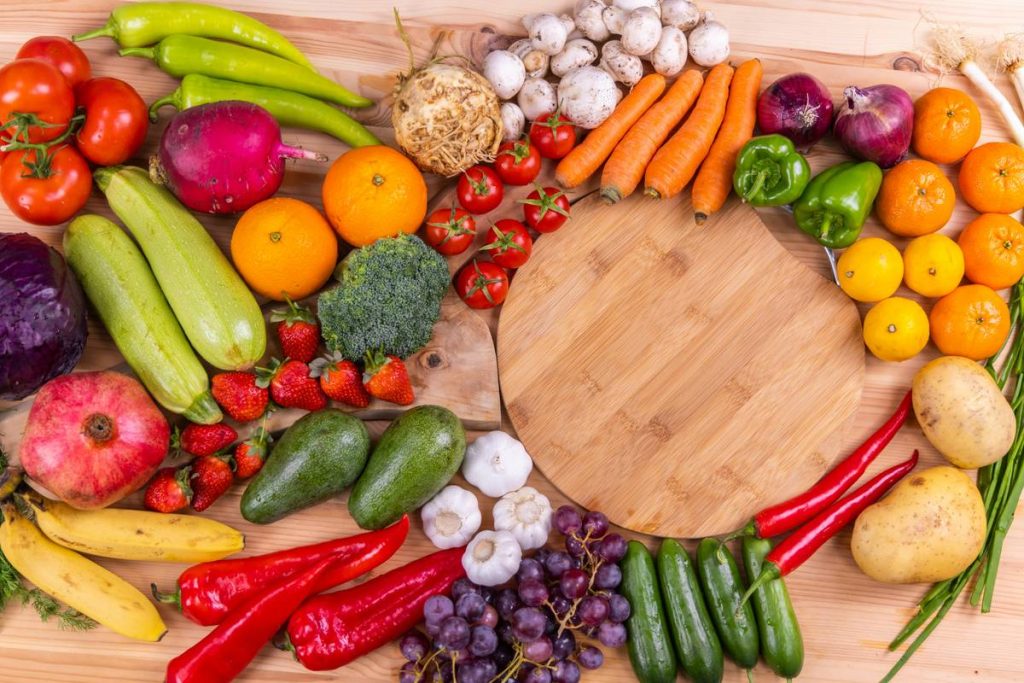
Aim for 30+ plant varieties weekly (fruits, veggies, legumes, nuts, seeds). Diversity feeds microbial richness—a key marker of gut resilience. Include fermented foods like sauerkraut or kefir daily for natural probiotics.
Best Practices for Long-Term Gut Health
- Ditch seed oils: Soybean, corn, and sunflower oils are high in omega-6 fats that promote inflammation. Opt for olive oil or avocado oil instead.
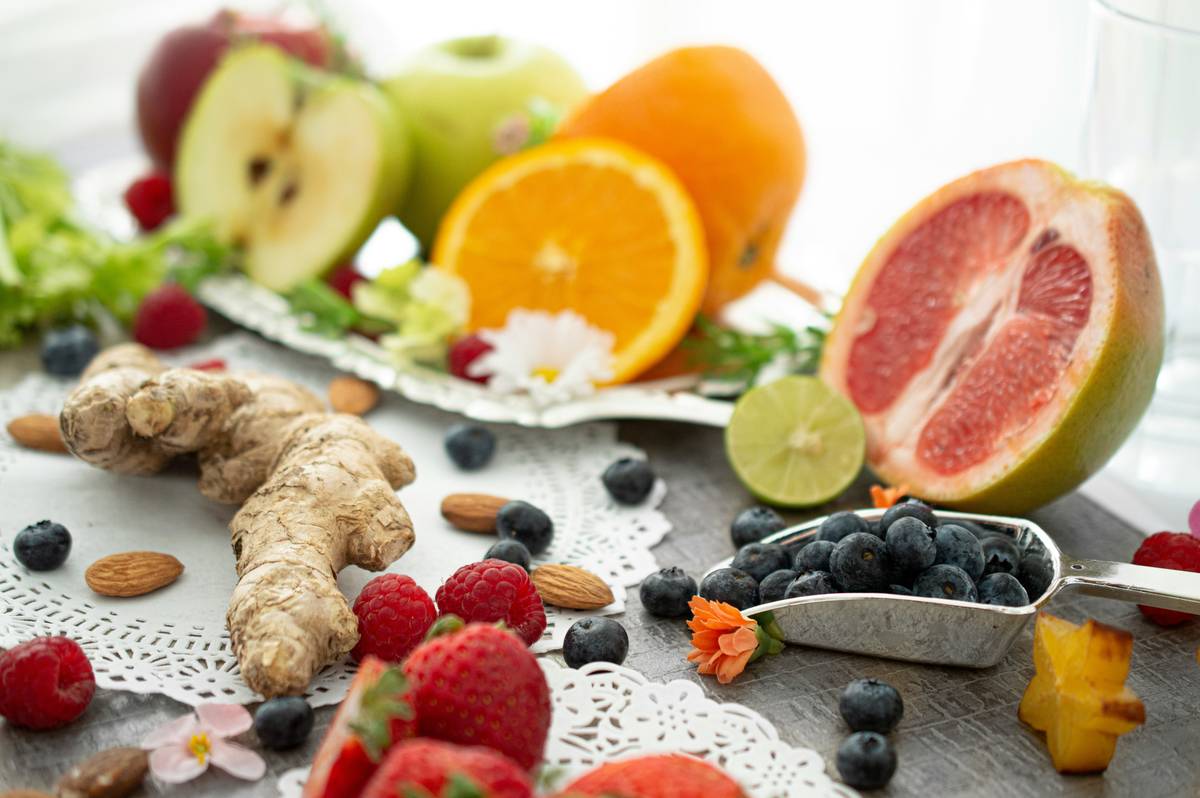
- Eat polyphenol-rich foods: Berries, dark chocolate (85%+ cacao), green tea, and onions contain compounds that reduce gut inflammation.
- Don’t fear fat: Healthy fats from fatty fish, avocados, and nuts support mucosal lining repair.
- Avoid the “terrible tip”: “Just eat yogurt.” Many yogurts are loaded with sugar and lack live cultures. Choose plain, unsweetened varieties with documented strains like L. reuteri or B. lactis.
My biggest pet peeve? Wellness influencers pushing “gut cleanses” with expensive powders. Real healing comes from consistent, affordable food choices—not detox teas. At Chateau Saint Nicolas, we believe sustainable wellness starts in your kitchen, not your credit card statement. Learn more about our philosophy on our About Us page.
Real-World Results: Case Studies That Worked
A 2021 randomized trial published in Gut found that participants following a Mediterranean-style diet (rich in vegetables, legumes, fish, and olive oil) for 12 weeks showed significant reductions in calprotectin—a biomarker of gut inflammation—compared to controls. One participant, Maria, eliminated processed snacks and swapped her morning bagel for chia pudding with flaxseeds and blueberries. Within 8 weeks, her bloating decreased by 70%, and she reported better sleep and focus.
This isn’t magic—it’s microbiome science. Every choice you make either feeds inflammation or fights it. Stick to your how to reduce gut inflammation diet protocol, and your gut will thank you.
Frequently Asked Questions
Can I ever eat bread again on a gut healing diet?
It depends. If you’re sensitive to gluten, sourdough made from ancient grains (like einkorn) may be tolerated due to its lower gliadin content and prebiotic lactic acid. Always reintroduce slowly.
Are bananas good for reducing gut inflammation?
Ripe bananas are high in pectin and resistant starch, which feed beneficial bacteria. However, unripe (green) bananas may cause gas in some individuals. Start with half a ripe banana daily.
How long does it take to see results from a gut healing diet?
Many notice symptom improvement within 2–4 weeks, but full mucosal healing can take 3–6 months. Consistency is critical—your how to reduce gut inflammation diet must be sustained.
Does coffee cause gut inflammation?
For most, moderate coffee (1–2 cups) is fine and even provides polyphenols. But if you have active gastritis or IBS-D, it may irritate the gut lining. Listen to your body.
What’s the best supplement for gut inflammation?
No supplement replaces food-first healing. That said, high-quality L-glutamine and curcumin (with black pepper) show promise in clinical studies for supporting intestinal barrier integrity—always consult your doctor first.
Is apple cider vinegar helpful?
Despite popularity, ACV lacks strong evidence for gut healing and may worsen acid reflux or erode enamel. Focus on proven strategies in your how to reduce gut inflammation diet instead.
Healing your gut isn’t about deprivation—it’s about crowding out inflammatory foods with nutrient-dense allies that love you back. Ready to personalize your plan? We’d love to hear from you. Reach out via our Contact Us page. And remember: your privacy matters—review our Privacy Policy before sharing personal details.
Your gut is your second brain—feed it like you mean it.